Scientific contributions
Women in Network Science (WiNS) · 2021–2025
Co-organiser of the WiNS satellite event at the 2021 Networks conference (joint Sunbelt/NetSci).
Hosted the panel discussion on 1 July 2021 — Gender bias in academia: what can our communities and professional societies do to address it?
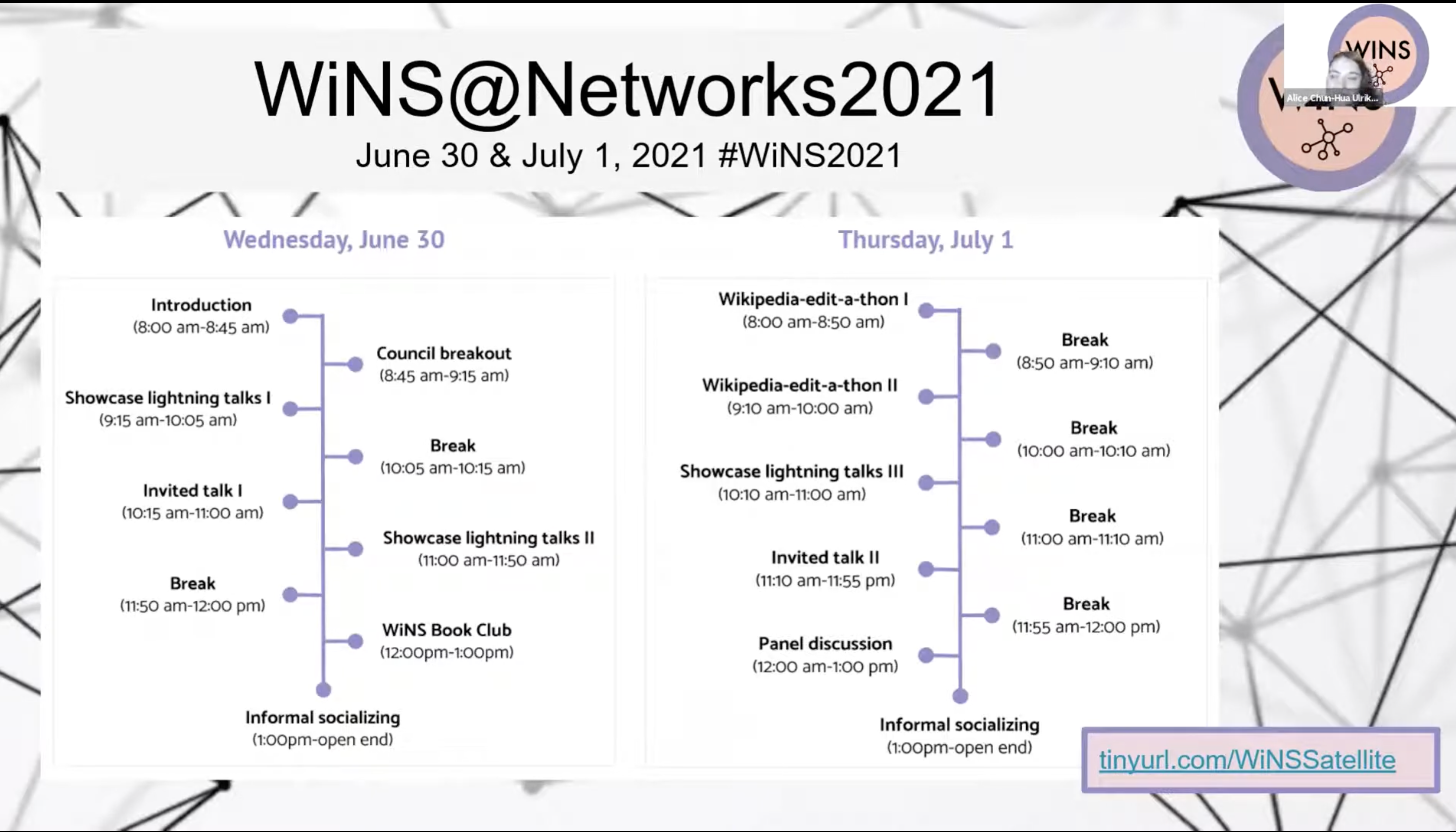
WiNS Satellite @ Networks 2021
From 2022 to 2025, served as Industry Ambassador for WiNS, bridging applied machine learning and academic network science.
APS Conference for Undergraduate Women in Physics · Virginia Tech, USA · January 2017
The American Physical Society (APS) hosts Conference for Undergraduate Women and Gender Minorities in Physics (CU*iP, formerly CUWiP) simultaneously at universities across the United States each January. One of the few large-scale national efforts dedicated to undergraduate women in physics, it brings together students, graduate researchers, and faculty from universities across the country.
The Virginia Tech edition, organised by Prof. Lara Anderson and Prof. Giti Khodaparast, drew nearly 150 students from universities across the region. Contributed to the conference organisation and logistics — coordinating scheduling, space, and materials across a two-day programme.
Spoke on the Graduate Student Panel — sharing what it means to pursue a physics PhD as a woman, at a time when female researchers remain underrepresented in the field.
Coverage: Virginia Tech News · College of Science magazine · Conference schedule
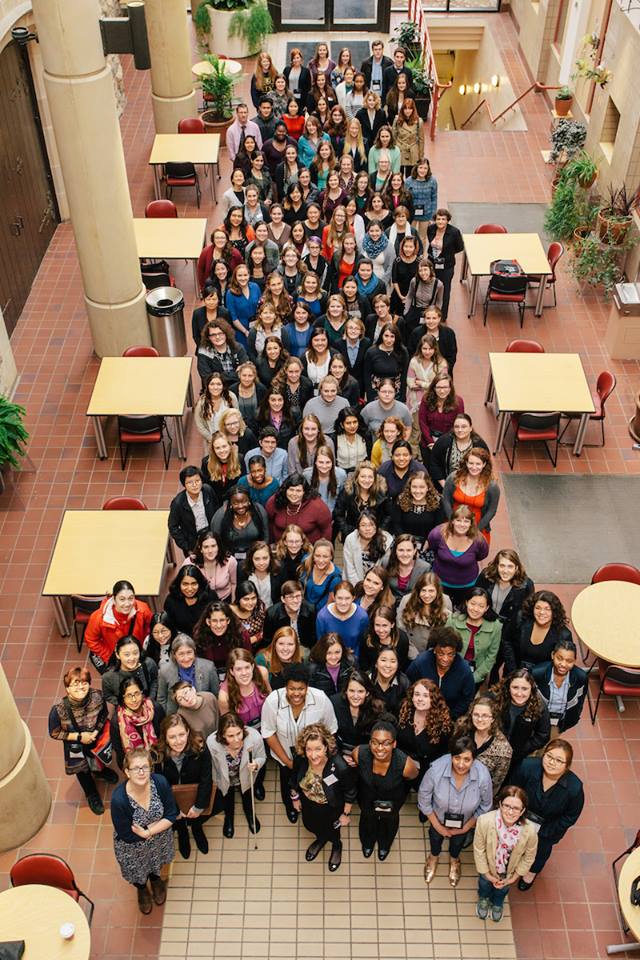
APS CU*iP/CUWiP 2017, Virginia Tech, USA
Physics outreach · Virginia Tech, USA · 2015–2018
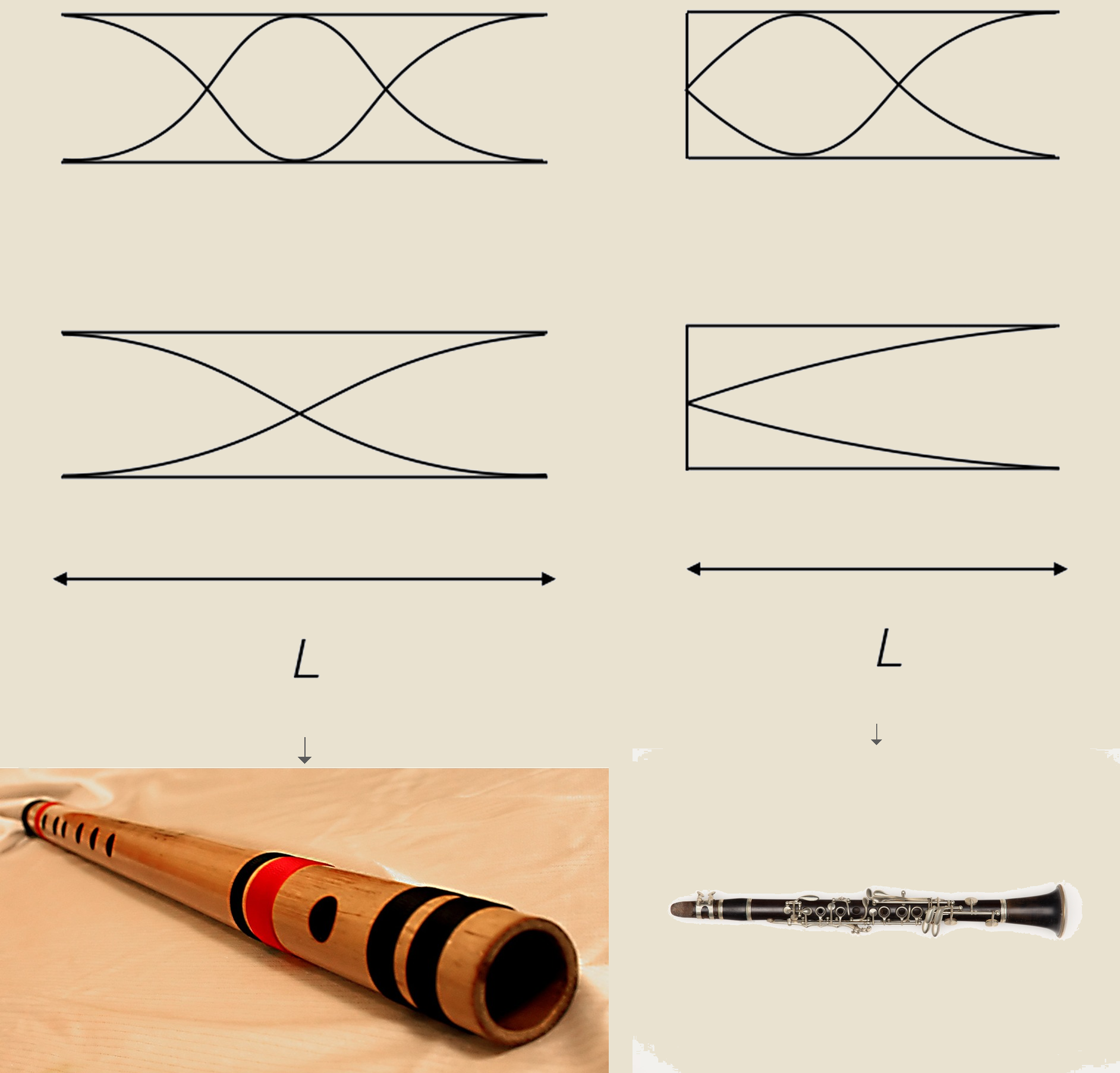
Contributed to the physics department’s school outreach programme at Virginia Tech, bringing hands-on demonstrations to local middle and high school students. Demonstrations included the Doppler effect and resonance in pipes: open and closed tubes of different lengths, showing how boundary conditions determine the frequencies a tube can sustain.
The connection to musical instruments is direct. An open pipe — open at both ends, like a flute — supports all harmonics, giving a bright, full sound. A closed pipe — sealed at one end, like a clarinet — supports only odd harmonics, producing a rounder, more hollow timbre. The same physics that determines which notes a pipe can produce also determines the character of every woodwind instrument.
Peer review
- Machine Learning and Physical Sciences workshop, NeurIPS (2022, 2024)
- Synergy of Scientific and Machine Learning Modelling workshop, ICML (2023)
- Physical Review E (2022–present)
Speaking engagements
Multiple speaking engagements at Women Who Code & Women in Machine Learning and Data Science (WiMDS).
- Regression and statistics in data science · February 2021: foundations of linear regression and statistical thinking for applied data science. (Medium article, GitHub; session recording panel recording)
- NLP and fuzzy matching · April 2021: approximate string matching algorithms and their applications in data science. (Medium article, GitHub, session recording)
- Implementing Topic Modeling in the Industry · August 2023: dicussing LDA modules and necessary infrastructure for a large-scale end-to-end solution. (Medium article 1, Medium article 2, GitHub, LinkedIn Post)
- Data engineering · July 2021: building data pipelines and the engineering foundations beneath data science workflows (Part 1, Part 2)